Louisiana’s K–12 STEM landscape is best understood as a developing ecosystem rather than a single model. Across the state, STEM education is taking shape through public magnet academies, a statewide residential school, independent college-preparatory programs, rural STEM initiatives, and community-based enrichment organizations. These programs differ in size, grade span, student population, and community context, but together they show how Louisiana is expanding access to science, technology, engineering, and mathematics through hands-on learning, engineering design, career-connected pathways, and real-world problem solving (Louisiana Department of Education, n.d.; Louisiana Board of Regents, 2025). This overview examines the state’s STEM vision and highlights selected programs that illustrate both the promise and the complexity of building equitable, high-quality STEM opportunities for students across Louisiana.

Louisiana’s Statewide STEM Vision
Louisiana’s STEM strategy is guided by the LaSTEM Advisory Council, created by Act 392 (2017) and supported by the Louisiana Board of Regents. The Council coordinates workforce needs. The state’s K–12 Quality STEM Implementation Guide defines what strong STEM instruction looks like (Louisiana Board of Regents, 2025; Louisiana Department of Education, n.d.):
Integrated STEM literacy across disciplines. Strong STEM instruction in Louisiana emphasizes literacy that reaches beyond a single science or math class. Students are expected to read technical texts, interpret data, communicate evidence-based explanations, and apply mathematical reasoning across subjects. This approach helps students see STEM as a connected way of thinking rather than a set of isolated courses.
Hands-on, inquiry-based learning. Louisiana’s STEM framework encourages students to learn by asking questions, investigating problems, testing ideas, and reflecting on results. Instead of simply memorizing facts, students engage in experiments, design challenges, simulations, and collaborative projects that require them to make observations and draw conclusions. This kind of learning builds curiosity, persistence, and deeper conceptual understanding.
Engineering design as a core problem-solving method. Engineering design gives students a practical process for approaching complex problems: define the challenge, brainstorm possible solutions, build or model a prototype, test it, and improve it based on evidence. By making this process central to instruction, Louisiana STEM programs help students develop creativity, critical thinking, and resilience. Students learn that failure is not the end of learning but an important step toward better solutions.
Cross-disciplinary connections. Quality STEM learning connects science, technology, engineering, and mathematics with reading, writing, social studies, art, and career education. For example, a coastal restoration project may require students to study ecosystems, analyze elevation data, calculate erosion rates, design protective structures, and present findings to a public audience. These connections make learning more meaningful because students can apply academic skills to authentic, real-world contexts.
Approved K–8 STEM instructional resources. Louisiana’s emphasis on approved instructional resources helps schools provide consistent, high-quality STEM experiences beginning in the elementary and middle grades. These materials support teachers with structured lessons, investigations, and design tasks that align with state expectations. By using vetted resources, districts can strengthen instructional quality while ensuring that students across communities have access to rigorous STEM learning.
STEM Pathways aligned with Jump Start and high-demand careers. Louisiana’s STEM Pathways connect classroom learning with the state’s broader workforce and career-readiness goals. Through alignment with Jump Start and high-demand fields, students can explore areas such as engineering, digital media, computer science, biomedical science, advanced manufacturing, and environmental systems. These pathways help students understand how STEM skills translate into college opportunities, industry credentials, and future careers (Louisiana Department of Education, n.d.).
Exemplary STEM Schools and Programs in Louisiana
Louisiana’s STEM landscape is rich with innovative schools and programs that embody the state’s vision for integrated, inquiry‑driven, engineering‑centered learning. The programs highlighted below were selected because they align with the Louisiana Department of Education’s Quality STEM Implementation Guide, demonstrate sustained student engagement and achievement, and offer replicable models for other districts and communities (Louisiana Department of Education, n.d.).
Selection criteria and data note: The examples below were selected to represent different STEM models, including independent college-preparatory programs, district magnet schools, rural STEM academies, statewide residential schools, and community-based enrichment organizations. They were also chosen for their alignment with Louisiana’s STEM vision, evidence of sustained STEM programming, geographic and grade-span diversity, and relevance to access and equity. Enrollment, demographic, and poverty figures are approximate and may vary by source and reporting year.
Isidore Newman School (New Orleans)
Newman consistently ranks as a top STEM high school in Louisiana, but its significance goes beyond rankings (Niche, 2026). Newman was selected because it demonstrates excellence in advanced STEM coursework while cultivating a strong culture of individualized learning and mentorship. Its students demonstrate high levels of college readiness in STEM fields, and the school offers a compelling model for urban independent-school STEM innovation. It represents a model of rigorous, college‑aligned STEM education where students engage deeply with advanced mathematics, engineering, and computer science.
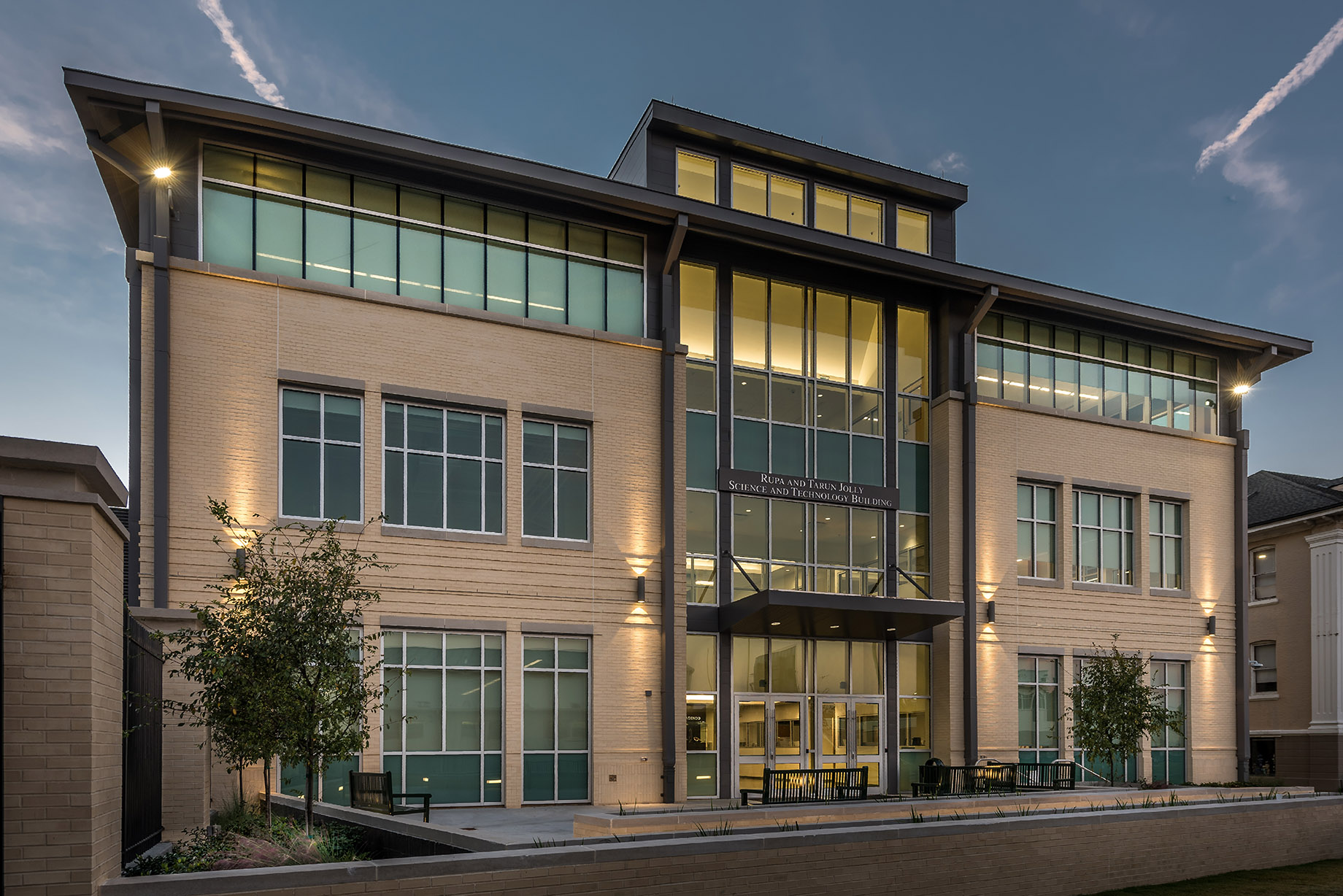
Newman serves approximately 977 students in prekindergarten through grade 12. Available demographic reporting indicates that about 17% of the student body are students of color. The school reports that 22% of students received need-based financial aid in 2025–26 (Private School Review, n.d.; Isidore Newman School, n.d.).
David Thibodaux STEM Magnet Academy (Lafayette)
David Thibodaux is one of Louisiana’s most established STEM magnet schools, offering pathways in engineering, biomedical science, and digital technology. Its instructional model is deeply aligned with the state’s emphasis on project‑based learning and engineering design (David Thibodaux STEM Magnet Academy, n.d.; Louisiana Department of Education, n.d.).
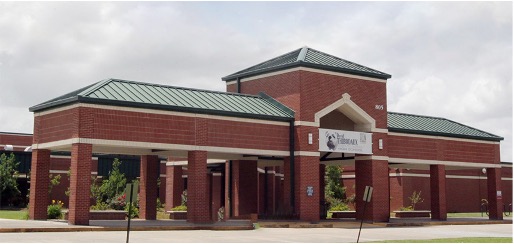
David Thibodaux was selected because it offers robust engineering and biomedical pathways while strongly integrating hands‑on labs, robotics, and project‑based learning. As a district‑level STEM magnet, it provides a replicable model for how public school systems can build specialized STEM programs that connect rigorous coursework with authentic, applied learning experiences.
David Thibodaux serves roughly 1,360 students in grades 6–12. Recent public data show a racially diverse student body: about 51% White, 37% Black, 5% Hispanic, 4% multiracial, and 3% Asian. Approximately 40%–42% of students are reported as economically disadvantaged or free-lunch eligible, depending on the source and reporting year (National Center for Education Statistics, n.d.; Public School Review, n.d.).
STEM Magnet Academy of Pointe Coupee (Morganza)
This rural STEM magnet is a standout example of how high‑quality STEM education can thrive outside major metro areas. The school emphasizes robotics, engineering design, and community‑connected STEM, making it a model for rural innovation (STEM Magnet Academy of Pointe Coupee, n.d.).
STEM Magnet Academy of Pointe Coupee was selected because it expands rural access to high-quality STEM education while offering strong robotics and engineering design programs. Its partnerships with local industry and community organizations also demonstrate how STEM learning can anchor rural workforce development and connect students to opportunities beyond the classroom.
STEM Magnet Academy of Pointe Coupee serves students in grades 3–12, with recent sources reporting between about 658 and more than 700 students. Available demographic data indicate that the student body is approximately 46% Black, 30% White, 6% Hispanic, and 1% multiracial, with about 74% of students eligible for free or reduced-price lunch. This profile underscores the school’s role as a rural STEM access model serving a high-poverty student population (National Center for Education Statistics, n.d.; Public School Review, n.d.).
St. John STEM Magnet Program (Reserve)
The St. John STEM Magnet Program illustrates how a district can adapt STEM programming over time to build a stronger pathway for students. Public descriptions of the program have referenced earlier STEM integration in elementary and middle grades, while more recent information places the program on the East St. John High School campus, serving grades 9–12. For this reason, it is best understood as part of a developing district STEM pathway rather than a single fixed grade-span model (Public School Review, n.d.).
St. John STEM Magnet Program was selected because it reflects a district-level effort to expand inquiry-based science, engineering design, and STEM pathway development within a high-need public school context. Its value lies not only in a specific grade configuration, but also in its role as a local example of how STEM programming can evolve to serve students across a broader educational pipeline.
The St. John STEM Magnet Program currently serves high school students in grades 9–12 on the East St. John High School campus, although some public profiles list earlier grade spans from the program’s early years. One recent profile reported about 450 students, with a student body that was approximately 57% Black, 13% Hispanic, and 7% White, and about 69% eligible for free or reduced-price lunch. District-level data also show that St. John the Baptist Parish Public Schools serves a majority-Black student population and that more than half of students are economically disadvantaged (National Center for Education Statistics, n.d.; Public School Review, n.d.).
Louisiana School for Math, Science, and the Arts (Natchitoches)
LSMSA is Louisiana’s premier residential STEM high school, offering university‑level coursework and research opportunities. It serves as a statewide talent pipeline for advanced STEM fields (Louisiana School for Math, Science, and the Arts, n.d.).
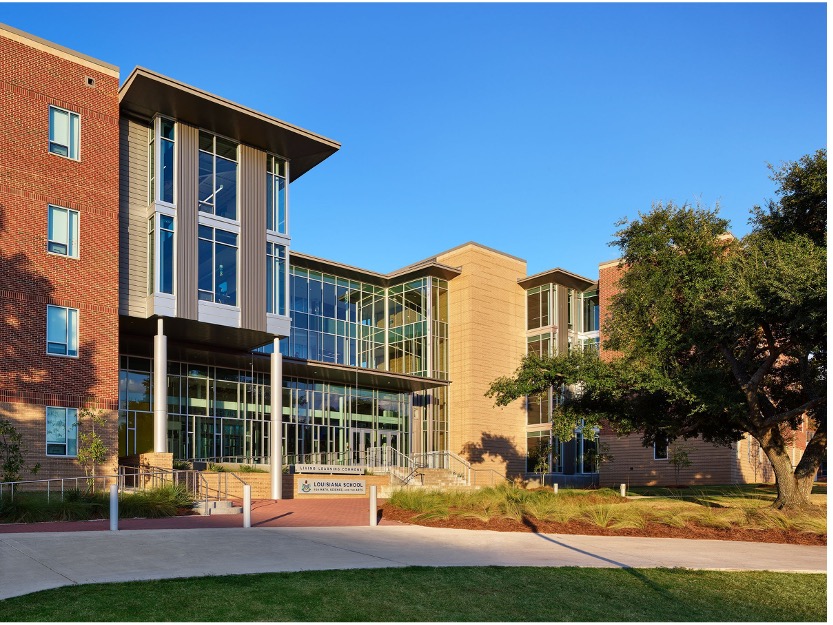
Louisiana School for Math, Science, and the Arts was selected because it offers university-level STEM coursework within a rigorous academic environment shaped by research, mentorship, and advanced specialization. With its statewide reach and commitment to access for high-achieving students, LSMSA serves as a model for advanced STEM preparation and talent development across Louisiana.
LSMSA serves a small statewide student body of roughly 270–288 students in grades 10–12. Recent NCES data list 272 students, including about 28% students of color. Publicly reported economic-need figures vary by source and year, but available data suggest that LSMSA serves both high-achieving students with access to advanced academic opportunities and students who depend on public residential programming to reach those opportunities (National Center for Education Statistics, n.d.; Louisiana School for Math, Science, and the Arts, n.d.).
Comparison of Selected Louisiana STEM Models
| Program | Location | Model | Grades/Reach | Approximate population | Access/equity note |
| Isidore Newman School | New Orleans | Independent college-preparatory STEM model | PK–12 | About 977 students | Private-school model; about 17% students of color and 22% receiving need-based aid. |
| David Thibodaux STEM Magnet Academy | Lafayette | District STEM magnet academy | Grades 6–12 | About 1,360 students | Diverse public magnet; about 40%–42% economically disadvantaged or free-lunch eligible. |
| STEM Magnet Academy of Pointe Coupee | Morganza | Rural STEM magnet academy | Grades 3–12 | About 658–700+ students | High-poverty rural access model; about 74% free or reduced-price lunch eligible. |
| St. John STEM Magnet Program | Reserve | District STEM pathway model | Currently grades 9–12; earlier public descriptions reference broader STEM integration | About 450 students in one recent profile | High-need public school context; about 69% free or reduced-price lunch eligible in one recent profile. |
| Louisiana School for Math, Science, and the Arts | Natchitoches | Statewide residential STEM academy | Grades 10–12 | About 270–288 students | Selective statewide model that expands advanced STEM access beyond students’ home districts. |
| STEM NOLA | New Orleans/statewide and beyond | Community-based STEM enrichment | K–12 outreach | Roughly 175,000 K–12 students served since 2013 | Equity-centered outreach for low-income and underserved communities. |
| Camp Invention | Louisiana host sites and national network | Summer/maker STEM enrichment | Entering grades K–6 | Site-specific; one Louisiana site served about 60 students | Access depends on local host sites, sponsorships, and community participation. |
Why These Programs Matter
Taken together, these examples reveal that Louisiana’s STEM ecosystem is not defined by one pathway, but by a set of complementary models serving different students, communities, and purposes.
Urban and rural models. The selected programs show that strong STEM education is not limited to one type of community. Urban programs such as Newman and STEM NOLA demonstrate how dense networks of universities, nonprofits, and industry partners can enrich STEM learning, while rural programs such as STEM Magnet Academy of Pointe Coupee show how smaller communities can build powerful STEM pathways through local partnerships and targeted innovation.
Magnet schools and residential academies. Magnet schools and residential academies play an important role in Louisiana’s STEM ecosystem because they provide focused learning environments for students with strong interest or ability in STEM. District magnets offer specialized pathways while remaining connected to public school systems, and residential academies such as LSMSA give students access to advanced coursework, research experiences, and a statewide peer community.
In-school and community-based programs. The ecosystem includes both formal school programs and community-based organizations, which together create more entry points into STEM learning. Schools provide sustained coursework and structured pathways, while organizations such as STEM NOLA and Camp Invention offer enrichment experiences that can spark interest, build confidence, and reach students beyond the regular school day.
Early-grade through advanced high school pathways. These programs also show the importance of building a STEM pipeline that begins early and grows more sophisticated over time. Elementary and middle school experiences introduce curiosity, invention, and inquiry, while high school programs deepen students’ technical knowledge through advanced coursework, research, internships, and career-aligned pathways. This continuity helps students build confidence and readiness step by step.
The major lesson from these examples is that access matters as much as program quality. Louisiana’s strongest STEM models include selective and well-resourced programs, but they also include rural, high-poverty, district-based, and community-centered models that broaden who can participate in advanced STEM learning. A mature statewide STEM strategy will need to preserve excellence while expanding equitable access across geography, income, race, and grade span (Louisiana Board of Regents, 2025; Louisiana Department of Education, n.d.).
Conclusion: A State Moving Toward a Unified STEM Vision
Louisiana’s K–12 STEM ecosystem is moving toward a more unified vision, but that vision is being built through varied local models rather than a single statewide template. Magnet academies, residential schools, independent schools, rural STEM programs, and community organizations each contribute something different: advanced coursework, early exposure, career-connected pathways, enrichment, mentorship, and access to hands-on problem solving.
The central challenge is ensuring that these opportunities are not limited by zip code, school type, family income, or selective admissions. The programs highlighted in this overview suggest that Louisiana has many of the building blocks needed for a stronger STEM future. The next step is to connect these models more intentionally so that students across the state can move from early curiosity to advanced preparation and, ultimately, to college, careers, and civic problem solving in STEM fields.
References
Isidore Newman School. (n.d.). Tuition and financial aid. https://www.newmanschool.org
Louisiana Board of Regents. (2025). LaSTEM Advisory Council status report to the Louisiana Senate and House Committees on Education. Baton Rouge, LA.
Louisiana Department of Education. (n.d.). Louisiana STEM Initiative. https://www.louisianabelieves.com/academics/stem
Niche. (2026). 2026 Best STEM High Schools in Louisiana. https://www.niche.com
STEM NOLA. (n.d.). Program descriptions and impact reports. https://stemnola.com
David Thibodaux STEM Magnet Academy. (n.d.). Academics overview. Lafayette Parish School System.
STEM Magnet Academy of Pointe Coupee. (n.d.). Program overview. Pointe Coupee Parish Schools.
Louisiana School for Math, Science, and the Arts. (n.d.). Curriculum overview. https://www.lsmsa.edu
Camp Invention. (n.d.). Program curriculum. National Inventors Hall of Fame.
National Center for Education Statistics. (n.d.). Common Core of Data and Private School Universe Survey school profiles.
Public School Review. (n.d.). Louisiana school enrollment and demographic profiles. https://www.publicschoolreview.com
Private School Review. (n.d.). Isidore Newman School profile. https://www.privateschoolreview.com

